
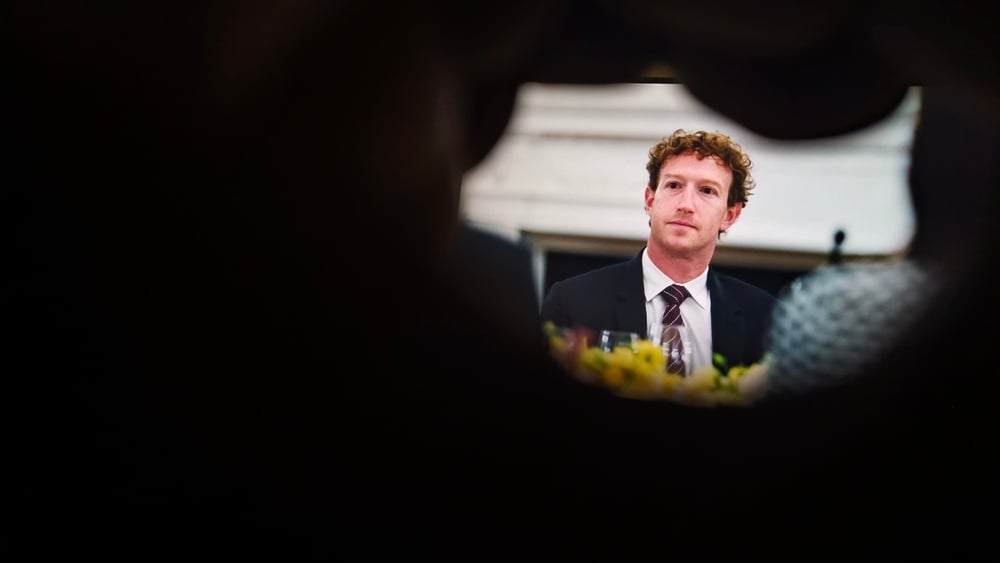
The White House reportedly stepped in to prevent the CEOs of Meta Platforms Inc. (NASDAQ:META) and Alphabet Inc. (NASDAQ:GOOGL) (NASDAQ:GOOG), Mark Zuckerberg and Sundar Pichai, respectively, from testifying at a Senate hearing on child safety practices.
Instead, the heads of Instagram and YouTube, subsidiaries of Meta and Google, respectively, are set to testify at the hearing, tentatively scheduled for July 28, reported POLITICO on Wednesday.
The White House has endorsed the James T. Woods Act, a legislative package designed to address online child exploitation. Judiciary Chair Chuck Grassley (R-Iowa), a supporter of the proposal, agreed to substitute company executives for the hearing.
Grassley previously invited the CEOs of Meta, Google, TikTok, and Snapchat parent Snap Inc. (NYSE:SNAP) to testify at a hearing on child online safety, which he described as examining whether social media is facing its “Big Tobacco moment.”
A spokesperson for Grassley told the publication that the senator is focused on “getting lifesaving child safety legislation actually signed into law,” rather than holding hearings primarily aimed at generating online clicks and views.
White House, Meta and Alphabet did not immediately respond to Benzinga’s request for comments.
Social Media Giants Under Scrutiny
This development comes days after Meta reportedly decided to back the Kids Online Safety Act (KOSA), a bill that mandates tech firms to establish online safety measures for children, after years of opposing it. This is because the bill would preempt state AI regulations and require app stores operated by Google and Apple to implement age verification, transferring part of the responsibility for child safety from social media companies to app store platforms.
In 2025, Meta faced criticism over its AI strategy and alleged permission for chatbots to engage in inappropriate conversations with children. This prompted Sens. Josh Hawley (R-Mo.) and Marsha Blackburn (R-Tenn.) to call for an immediate investigation, increasing regulatory scrutiny and reputational pressure on the social media giant.
Meanwhile, YouTube settled a lawsuit brought by a teenager who claimed he became addicted to social media, suffering sleep disruption, anxiety, and depression as a result.
Disclaimer: This content was partially produced with the help of AI tools and was reviewed and published by Benzinga editors.
Image via Shutterstock
Recent Comments