
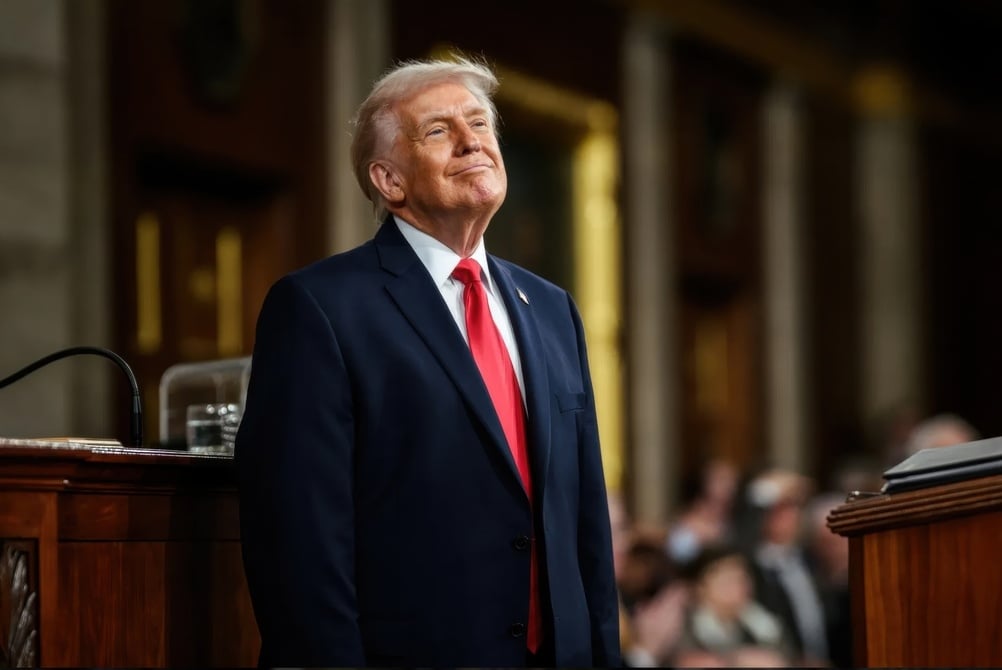
President Donald Trump has signed a proclamation amending the Section 232 national security tariffs on certain aluminum, steel, and copper imports, thereby reducing some tariffs and introducing new categories.
The proclamation lowers tariffs on some steel and aluminum derivative products, including certain types of agricultural machinery and residential heating, air conditioning, and ventilation equipment, to 15% from 25% previously.
Mobile industrial equipment, such as bulldozers and forklifts, will now be subject to a 15% tariff “when imported from trade deal countries that are entitled to such treatment,” the White House said.
Foreign companies can qualify for a 10% tariff if “their capital equipment includes at least 85% U.S. melted and poured or smelted and cast steel or aluminum by weight.”
The order also expands the list of products subject to 25% tariffs, adding two new categories: steel racks and aluminium lithographic plates.
The changes will be effective for goods imported or withdrawn from bonded warehouses after 12:01 a.m. EST on June 8 and would remain in place until December 31, 2027, “to spur near-term investments” aimed at rebuilding the American industrial base.
What’s Really Driving Factories?
The tariff changes come at a time when the U.S. manufacturing sector is experiencing a resurgence, a trend that Trump has been keen to promote since his return to the Oval Office. The strategy appears to be gaining traction, with the manufacturing PMI hitting a four-year high in May.
However, a closer look suggests the manufacturing boom is being driven less by tariffs and more by the artificial intelligence buildout. Since the tariff-related market lows in April 2025, the iShares U.S. Manufacturing ETF (NYSE:MADE) has surged 78%, outperforming the tech-heavy Invesco QQQ Trust‘s (NASDAQ:QQQ) 72% gain. Yet the ETF’s top-performing stocks, such as Bloom Energy Corp. (NYSE:BE) and Ondas Holdings Inc. (NASDAQ:ONDS) are largely tied to AI infrastructure, indicating that demand from the AI sector, not tariff-induced reshoring, is the primary force behind the manufacturing rally.
Meanwhile, speaking of tariffs, the Trump administration on Friday appealed a federal court order that expanded tariff refund eligibility to all U.S. importers, not just companies that had sued over the duties. This move could stop refunds already being processed. The Department of Justice also challenged Judge Richard Eaton‘s requirement that Rodney Scott testify in person, arguing that the CBP chief, as a senior presidential appointee, cannot be compelled to appear and that deputies should be allowed to testify instead.
Disclaimer: This content was partially produced with the help of AI tools and was reviewed and published by Benzinga editors.
Image via Shutterstock
Recent Comments