
The United Nations’ nuclear watchdog says Iran’s highly enriched uranium is likely still stored at the Isfahan nuclear complex, despite past airstrikes and limited international inspections.
Russia-Iran Uranium Talks Intensify
On Tuesday, International Atomic Energy Agency Director General Rafael Grossi told The Associated Press that the agency’s “best estimate” is that a significant portion of Iran’s uranium enriched to 60% purity remains at Isfahan.
He said the material was stored there before a 12-day conflict, and that inspections were disrupted after airstrikes targeted Iranian nuclear facilities.
“We haven’t been able to inspect or to reject that the material is there and that the seals — the IAEA seals — remain there,” Grossi said, adding that the agency relies on satellite imagery and prior verification data.
The IAEA estimates Iran has about 440.9 kilograms of highly enriched uranium, with roughly 200 kilograms possibly stored at Isfahan. Inspectors have also been unable to fully access Natanz and Fordo.
Grossi said discussions have taken place involving Russia and others about potentially removing Iran’s enriched uranium from the country, a politically complex option.
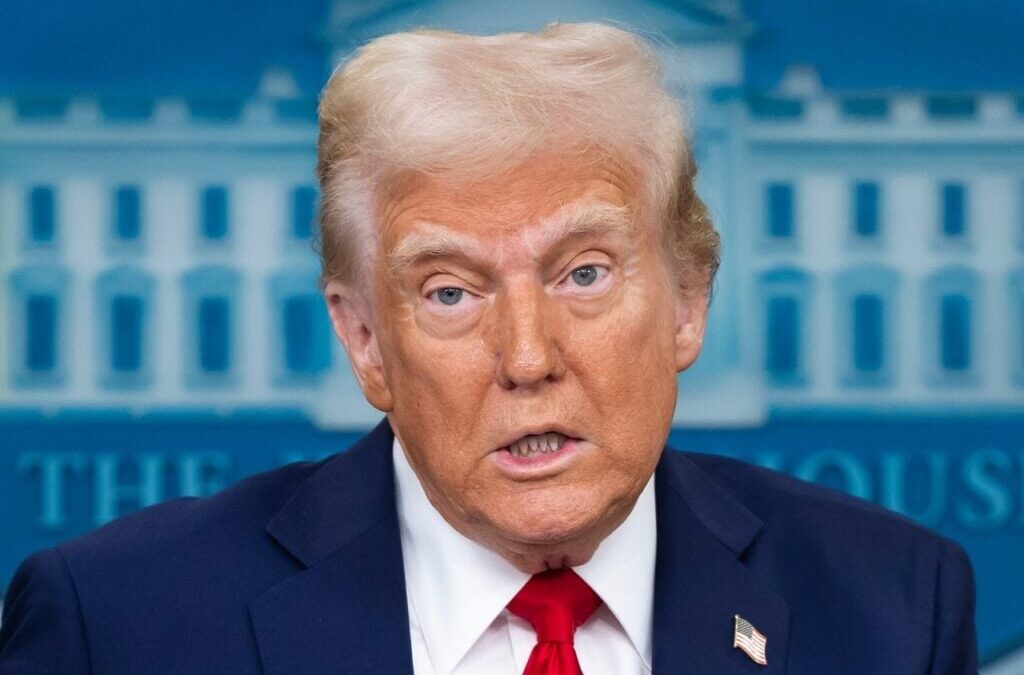
On Wednesday, President Donald Trump said President Vladimir Putin raised the idea of helping with enrichment during a call.
Trump said he told Putin it was more important that he “be involved with ending the war with Ukraine.”
Trump Weighs Iran Military Options As Nuclear Talks Stall
President Trump reportedly reviewed military options for Iran, including potential strike plans and special forces missions, as U.S. strategy discussions continued amid stalled nuclear negotiations.
The proposals allegedly included limited strikes on Iranian infrastructure and efforts tied to securing the Strait of Hormuz and Iran’s enriched uranium stockpile.
Earlier, Trump also said Iran had agreed to key deal terms, including removing enriched uranium and cutting support for proxy groups, but Iranian officials denied the claims and rejected any transfer of nuclear material.
Iranian Deputy Foreign Minister Saeed Khatibzadeh said Tehran would not resume direct talks under U.S. “maximalist” demands and dismissed uranium transfer proposals, insisting on a framework agreement before negotiations.
He also criticized U.S. sanctions as “economic terrorism.”
Disclaimer: This content was partially produced with the help of AI tools and was reviewed and published by Benzinga editors.
Image via Shutterstock/ Joshua Sukoff
Recent Comments