
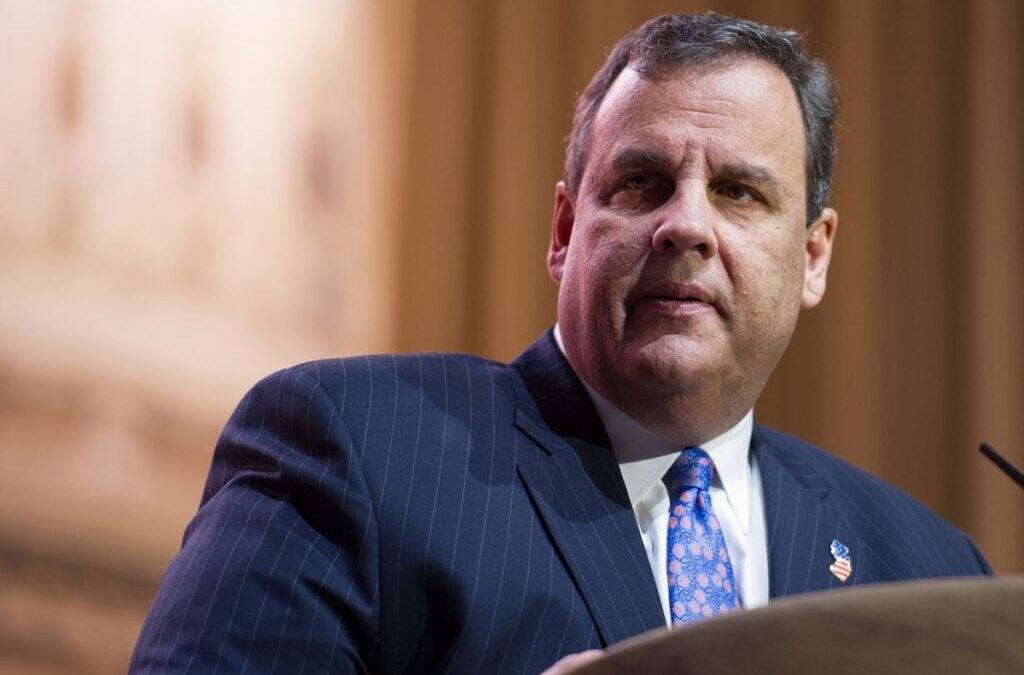
Former New Jersey Gov. Chris Christie (R) said Sunday that if Iran emerges from the war essentially intact, President Donald Trump’s decision to intervene will amount to a major geopolitical failure, sharpening criticism as energy prices remain elevated and diplomacy stalls.
Christie Warns Trump Risks Strategic Failure
Appearing on ABC’s “This Week,” Christie argued that Trump risks ending up close to where the crisis began if Iran’s nuclear position is unchanged and the Strait of Hormuz simply reopens after weeks of disruption. On X, Christie wrote, “The president is playing checkers, not chess. He thought this was going to be Venezuela. Iran is not Venezuela.”
Christie said on ABC that if the United States winds up with Iran in roughly the same place on nuclear issues and with shipping through Hormuz restored, the political result would be damaging for Trump because that would resemble the status quo before the war.
Finish The Job Or Own It
He added that if Trump was going to act, he needed to finish the job, saying the president had offered several justifications for intervention, especially regime change and dismantling Iran’s nuclear program. Christie’s bluntest warning came when he said, “If we come out of this with a stronger Iran, this is a geopolitical failure of enormous proportions.”
Energy Shock Deepens Political Pressure
The comments come as the conflict continues to drive an energy shock and fuel domestic criticism of Trump’s foreign policy. The Iran conflict has triggered a record jump in U.S. gasoline and diesel prices, while AAA data showed the national average for regular gasoline at about $4.10 a gallon on Sunday.
California had the highest statewide average at about $5.94, with Washington next at roughly $5.46. That leaves gasoline still about 27% above where it stood before the war, even though it has eased from recent highs.
Oil prices also rose again after an Iranian official said the Strait of Hormuz would “under no circumstances” return to its previous state. Trump on Saturday canceled plans to send envoys to Pakistan for talks with Iran, citing infighting and confusion within Tehran’s leadership. The U.S. Central Command has said 38 ships have been turned away or redirected since the blockade operation began earlier this month.
Photo Courtesy: Christopher Halloran on Shutterstock.com
Recent Comments