
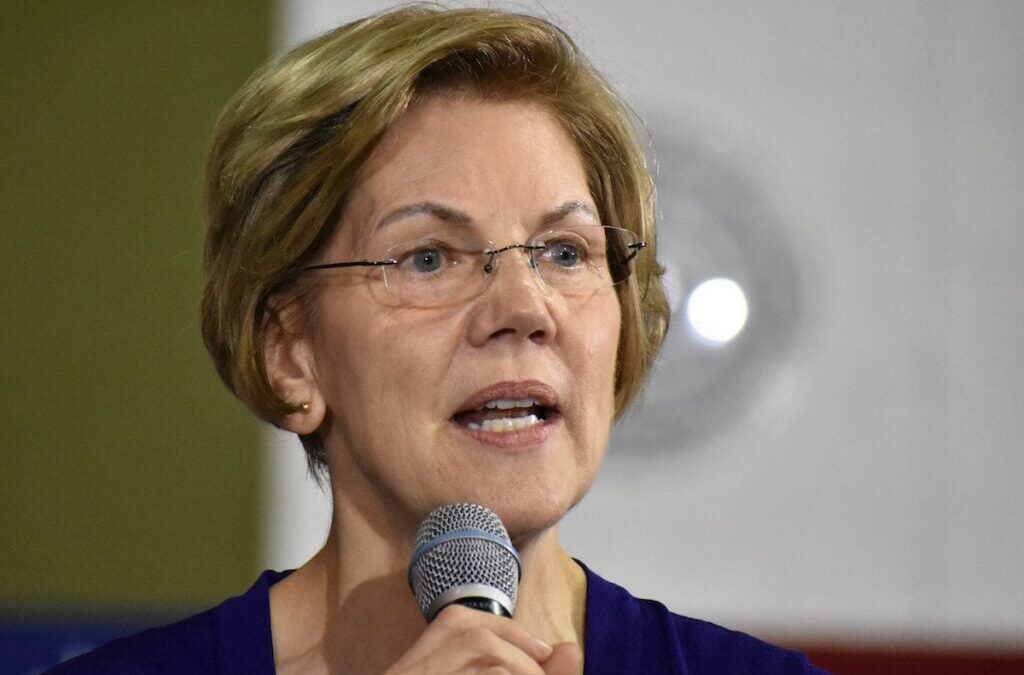
Jim Cramer voiced support Wednesday for Sen. Elizabeth Warren’s (D-Mass.) push to make billionaires such as Elon Musk and Jeff Bezos pay more into Social Security than workers whose wages are capped for payroll-tax purposes, siding with the Massachusetts Democrat on a proposal to bolster the retirement program’s finances.
Cramer Backs Warren Tax Push Publicly
Cramer wrote on X, “Nor should I. This is a very good idea even as it contravenes the way the law envisioned…,” while quoting Warren’s post.
In her own X post, Warren wrote, “Elon Musk and Jeff Bezos shouldn’t be paying the same amount in Social Security tax as someone making $175,000 a year. Billionaires are not paying their fair share.”
Her post shared a clip from her exchange with Dan Adcock of the National Committee to Preserve Social Security and Medicare during a Senate Special Committee on Aging hearing held March 25 and posted by her office on March 26.
Warren Rejects Cuts And Seeks Expansion
In the clip, Warren argues against raising the retirement age or cutting benefits and instead calls for expanding Social Security by taxing the wealthy more heavily. She says billionaires should not pay the same Social Security tax amount as someone making roughly the taxable wage cap and adds that her legislation “would raise enough money to increase benefits by $200 a month for every senior and help stabilize Social Security, make sure it is around for the long haul.”
Warren also pointed to the Ultra-Millionaire Tax Act of 2026, which she reintroduced on March 26 with House allies. Her office says the bill would impose an annual wealth tax on the richest 0.15% of U.S. households, beginning with fortunes above $50 million, and would raise an estimated $6.2 trillion over 10 years.
Social Security Cap Fuels Broader Debate
Under current law, Social Security’s Old-Age, Survivors, and Disability Insurance payroll tax is 6.2% for employees and employers, each, but only on wages up to the annual taxable maximum, which is $184,500 in 2026. The wage cap limits both contributions and eventual benefits for high earners, even as the program faces mounting solvency pressure.
The Social Security trustees said last year that the OASI trust fund is projected to be depleted in 2033, after which 77% of scheduled benefits would be payable.
Photo Courtesy: Bryan J. Scrafford on Shutterstock.com
Recent Comments