
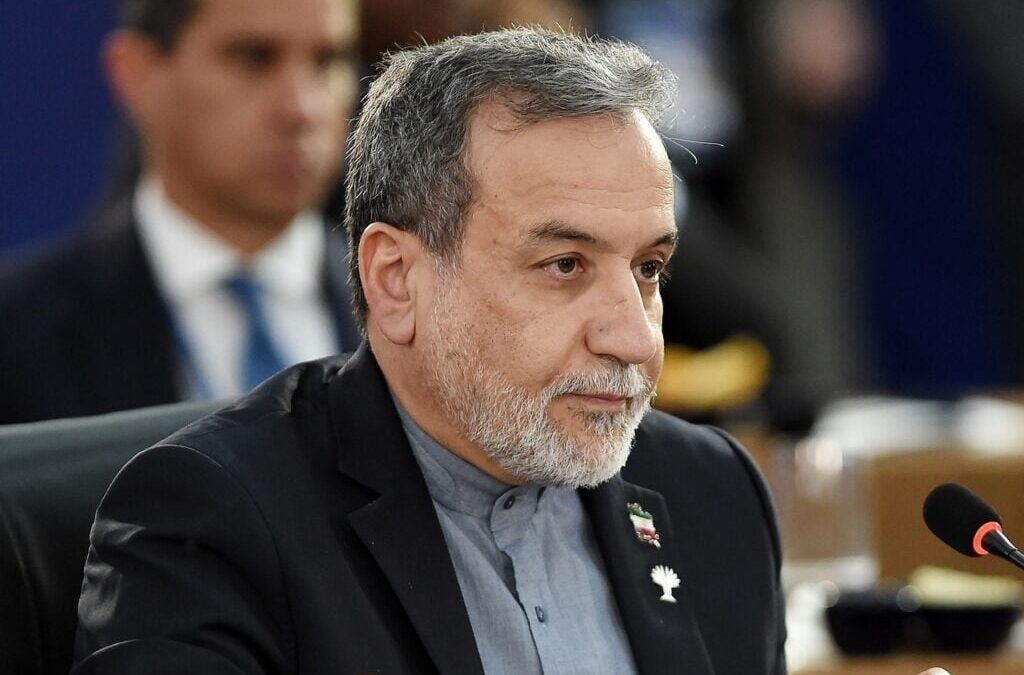
Iran’s foreign minister, Abbas Araghchi, on Monday urged Saudi Arabia to expel U.S. forces from the kingdom, escalating Tehran’s rhetoric three days after an Iranian strike hit a major American air base there.
Araghchi Urges Riyadh To Expel U.S.
Araghchi wrote on X that Iran “respects the Kingdom of Saudi Arabia and considers it a brotherly nation,” but said Iranian operations were aimed at “enemy aggressors” who “can provide no security,” adding, “Just look at what we did to their aerial command. High time to eject U.S. forces.”
In the same post, Araghchi shared an image appearing to show a damaged U.S. Air Force E-3 Sentry, with its tail broken off and its radar dome on the ground. Multiple outlets, including CNN, reported that the aircraft was damaged or destroyed in the strike on Prince Sultan Air Base in Al-Kharj, Saudi Arabia, on Friday.
U.S.-Saudi Ties Face New Test
The United States and Saudi Arabia have maintained a security partnership spanning more than eight decades, according to U.S. government materials, and public databases say the kingdom hosts five U.S. military bases. Separate reporting by NewsNation at the beginning of March put the American troop presence there at about 2,700 service members.
Reuters reported that an Iranian missile strike on Prince Sultan Air Base on Friday wounded 12 U.S. service members, including two with serious injuries. The Wall Street Journal said 10 additional personnel suffered concussions, while multiple U.S. refueling aircraft and several unmanned aerial vehicles were also damaged.
Zelensky Claim Adds Wider Geopolitical Risk
The episode has also raised questions about outside support for Tehran. Ukrainian President Volodymyr Zelensky told NBC News on Saturday that Russian forces had taken satellite images of the Saudi base three times in the days before the attack. “I think that it’s in Russia’s interest to help Iranians,” Zelensky said. “And I don’t believe — I know — that they share information.”
President Donald Trump, meanwhile, warned Monday that Iran must reopen the Strait of Hormuz “immediately” or face the destruction of key infrastructure. Trump said the United States was holding serious talks with what he called a “more reasonable” Iranian regime while also threatening to strike oil, power and other strategic facilities if no deal is reached soon.
Image via Shutterstock/ A.PAES
Recent Comments