
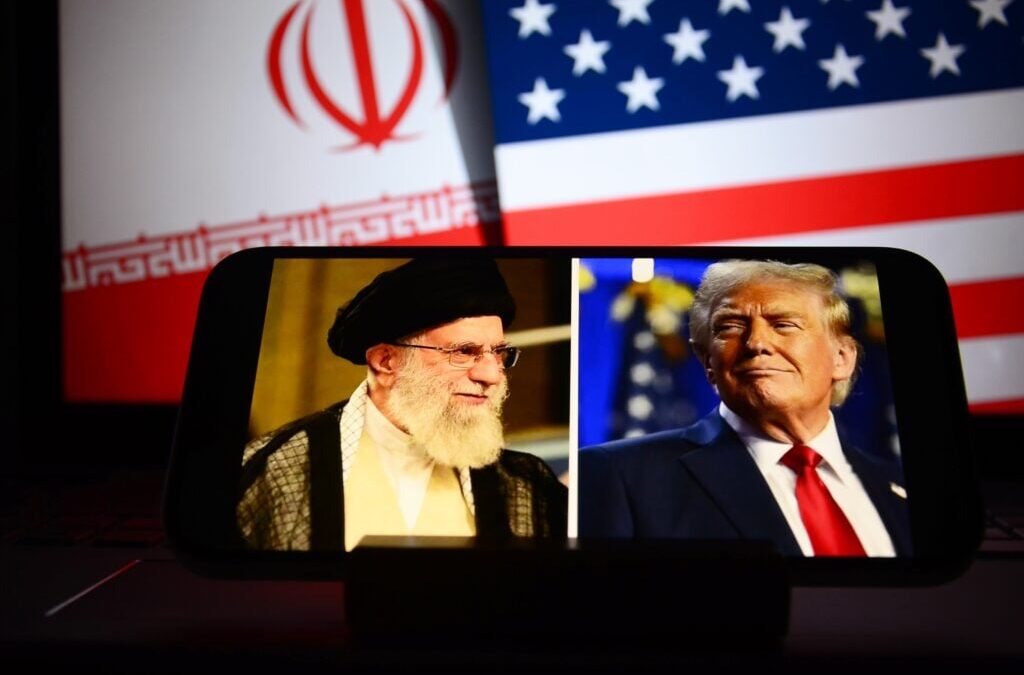
A senior White House official said the Pentagon expects the U.S. conflict with Iran to last several more weeks, as the administration asks Americans to brace for higher energy prices during the ongoing military campaign.
Pentagon Estimates 4–6 Week Iran War Timeline
On Sunday, Kevin Hassett, director of the White House National Economic Council, said that the Pentagon estimates the war with Iran could take between four and six weeks to complete, noting the conflict is already in its third week.
Speaking on CBS’s Face the Nation, Hassett said the military believes the operation is progressing faster than initially expected.
As of Saturday, the Pentagon “believed that it would take four to six weeks to complete this mission and that we’re ahead of schedule,” Hassett said.
He added that the final decision on when the war ends ultimately rests with President Donald Trump.
Administration officials also acknowledged the conflict is pushing energy prices higher.
Energy Secretary Chris Wright said Americans should expect temporary economic disruption while U.S. and Israeli forces continue targeting Iranian military capabilities.
“I think that this conflict will certainly come to an end in the next few weeks — Could be sooner than that, but the conflict will come to the end in the next few weeks,” Wright said on ABC’s This Week.
“This is short-term pain to get through to a much better place,” he added.
Iran War Costs Rise, Gas Prices Surge Amid Escalation
Hassett said the Trump administration did not need additional congressional funding for the Iran war, even as costs hit about $12 billion.
Hassett said the administration had the necessary weapons and resources, and a supplemental funding request was not expected.
Lawmakers faced pressure after a Reuters report revealed that the first six days of the conflict cost $11.3 billion.
Wright said the conflict could end in the coming weeks, but had already pushed gas prices higher due to tensions around the Strait of Hormuz.
He noted the United States Navy might escort tankers to ease supply pressures, calling the situation “short-term pain.”
Sen. Chris Murphy warned Trump had “lost control” of the conflict, highlighting rising regional tensions, drone attacks, and the risk of a wider Middle East war.
He cautioned that continued disruption at the Strait of Hormuz could trigger a global recession and further energy and food price spikes.
Disclaimer: This content was partially produced with the help of AI tools and was reviewed and published by Benzinga editors.
Photo courtesy: Shutterstock
Recent Comments