
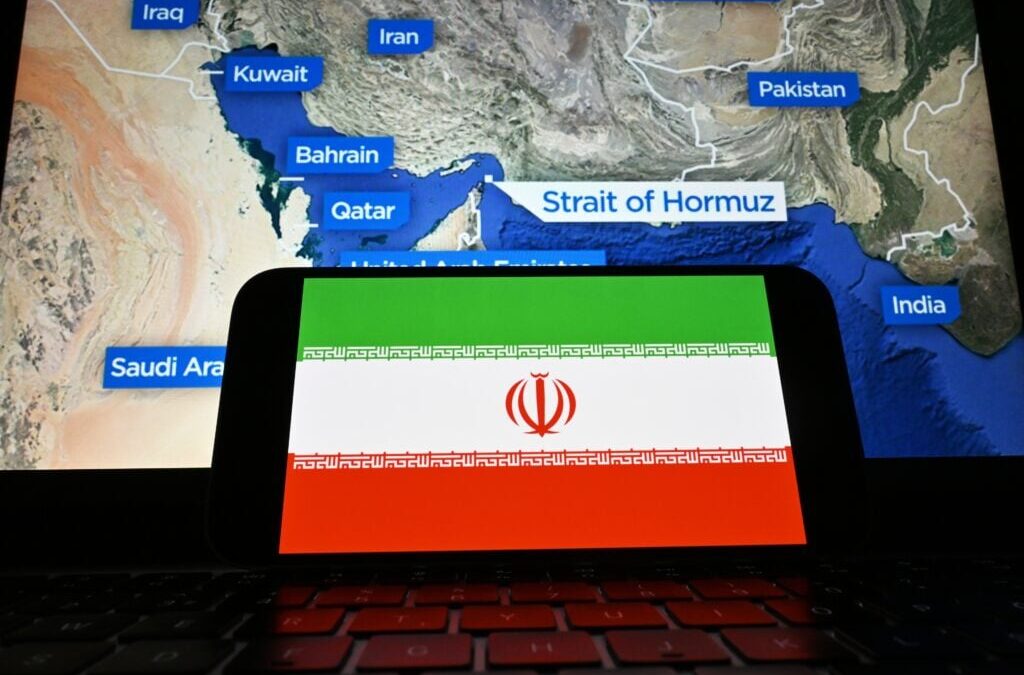
Amid escalating tensions in the global oil market due to the ongoing Iran war, recent estimates from JPMorgan show that the strategic oil reserve release will only make a small dent in the crude oil supply shock.
Strategic Reserves Not Enough
The ongoing oil crisis cannot be alleviated by strategic reserves alone, according to JPMorgan estimates shared by The Kobeissi Letter.
A coordinated release from the G7’s Strategic Petroleum Reserve (SPR) would yield approximately 1.2 million barrels of oil daily. Historically, emergency releases have reached up to 1.4 million barrels per day.
The United States is facing challenges with its reserve operations, the note added. Due to site modernization and reduced inventories, the U.S. reserve’s operational capacity is expected to be less than the one million barrels per day rate achieved in 2022.
Oil Trapped In The Gulf Due To Strait Of Hormuz Blockade
Meanwhile, approximately 16 million barrels per day remain trapped in the Gulf due to the blockade of the Strait of Hormuz, as noted by JPMorgan.
The potential release rate of 1.2 million barrels per day would address only 7.5% of the 16 million barrels per day shortfall. While emergency reserves can provide temporary relief, they are not a substitute for lost supply or a solution to flow constraints, according to the report.
Complicated Dynamics
The current crisis is exacerbated by the closure of the Strait of Hormuz, a critical chokepoint for global oil transport.
Goldman Sachs warns that even a massive drawdown of 400 million barrels from the International Energy Agency’s reserves may not suffice to counteract the 10 million barrels per day of lost supply.
The situation is further complicated by the ongoing U.S.-Iran conflict, which has led to what Goldman Sachs describes as the largest oil supply shock on record. This disruption has drastically reduced Persian Gulf exports to about 3% of their normal levels, surpassing previous crises like the 1973 OPEC embargo and the 1990 Gulf War.
Disclaimer: This content was partially produced with the help of AI tools and was reviewed and published by Benzinga editors.
Photo courtesy: Shutterstock
Recent Comments