
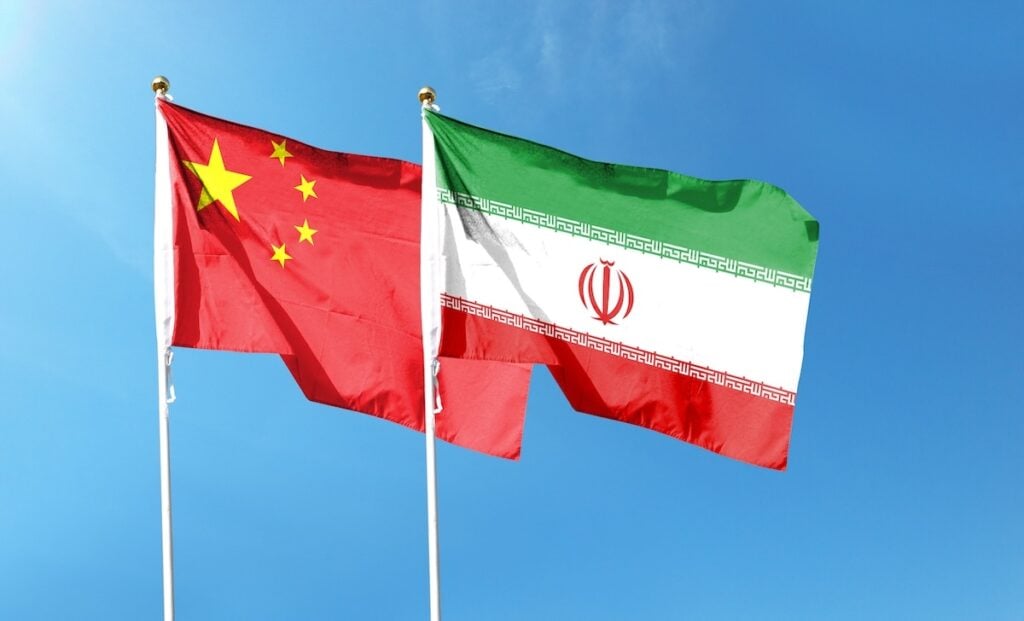
Iran is close to finalizing an agreement to purchase advanced Chinese anti-ship missiles, a move that could significantly raise tensions as U.S. naval forces mass near the Islamic Republic.
China-Iran Missile Negotiations Accelerate
Iran is nearing a deal with China to acquire the CM-302, a supersonic anti-ship cruise missile capable of striking targets about 290 kilometers away, according to six people familiar with the negotiations, as reported by Reuters on Tuesday.
Talks that began at least two years ago accelerated after last year’s brief war between Israel and Iran, the sources said.
Senior Iranian officials, including Deputy Defense Minister Massoud Oraei, traveled to China as discussions entered advanced stages.
An Iranian foreign ministry official told Reuters, “Iran has military and security agreements with its allies, and now is an appropriate time to make use of these agreements.”
China’s foreign ministry said after publication that it was not aware of the reported missile talks.
CM-302 Capabilities Raise Naval Threat Concerns
The CM-302, produced by state-owned China Aerospace Science and Industry Corporation, is designed to fly low and fast to evade ship defenses, making it difficult to intercept.
“It’s a complete game-changer if Iran has supersonic capability to attack ships in the area,” said Danny Citrinowicz, a former Israeli intelligence officer.
He added, “These missiles are very difficult to intercept.”
The White House did not directly address the potential sale but reiterated that President Donald Trump has warned Iran that “either we will make a deal or we will have to do something very tough like last time.”
The U.S. Department of War did not immediately respond to Benzinga’s request for comments.
US-Iran Tensions Over Nuclear Talks And Military Threats
Former CIA Director David Petraeus said a major U.S. strike on Iran would likely not force regime change, arguing that Iran’s leadership under Ayatollah Ali Khamenei remains deeply ideological and unlikely to compromise.
His comments came as President Trump imposed a 10-to-15-day deadline for a nuclear deal and warned of severe consequences if diplomacy failed.
Amid growing pressure, Khamenei elevated Ali Larijani to a stronger crisis-management role, expanding his authority over national security as Tehran prepared for potential confrontation.
Iran placed forces on high alert, deployed missile systems near key borders and coastal areas, and conducted live-fire drills that temporarily disrupted traffic through the Strait of Hormuz.
Iran also temporarily closed the strategic waterway for military exercises, launching missiles during the drill and warning Washington against forcing outcomes through military buildup.
The moves followed heightened U.S. deployments in the region and ongoing negotiations that made limited progress but left major gaps, including disagreements over uranium enrichment.
Tensions have escalated alongside fears that further strikes could disrupt global energy routes and deepen instability in the Middle East.
Disclaimer: This content was partially produced with the help of AI tools and was reviewed and published by Benzinga editors.
Photo Courtesy: Andy.LIU on Shutterstock.com
Recent Comments