
The Dow Jones last week hit the 50,000 mark and President Donald Trump attributed the historic Wall Street milestone to his administration’s aggressive trade policies.
The House on Wednesday passed a resolution aimed at repealing Trump’s tariffs on Canada, with six Republicans joining the Democrats to vote in favor. Ahead of the vote, Trump took to Truth Social to warn Republican lawmakers who opposed his tariff strategy.
Trump Credits Tariffs For Dow, S&P Rise
“Our Trade Deficit has been reduced by 78%, the Dow Jones has just hit 50,000, and the S&P, 7,000,” Trump said in the post, talking about the tariffs.
“TARIFFS have given us Economic and National Security, and no Republican should be responsible for destroying this privilege,” he added.
When Dow hit the 50,000 mark on Friday, Trump, in a post on Truth Social, said, “Record Stock Market, and National Security, driven by our Great TARIFFS,” adding that he was “right about everything.”
Report Highlights Cost Of Tariffs
Amid Trump’s claims about the benefits of tariffs, a report by the Tax Foundation, seen by The Hill, revealed that Trump’s tariffs are costing U.S. households an average of $1,000 annually. This figure is expected to rise to $1,300 per household this year if the tariffs persist.
The study indicates that while anticipated inflationary effects from these tariffs have not fully materialized, Americans continue to face significant financial burdens.
Research from the Kiel Institute for the World Economy highlights that U.S. importers and consumers bear 96% of the tariff burden, challenging claims that foreign countries pay these tariffs.
“The claim that foreign countries pay these tariffs is a myth,” said Julian Hinz, research director at the German think tank.
The Tax Foundation warns that Trump’s tariffs could negate the benefits of recent tax cuts, particularly affecting lower-income filers.
Federal Reserve Governor Stephen Miran criticized the narrative that Americans solely bear the tariff costs, suggesting that accounting treatments may obscure the true burden.
Disclaimer: This content was partially produced with the help of AI tools and was reviewed and published by Benzinga editors.
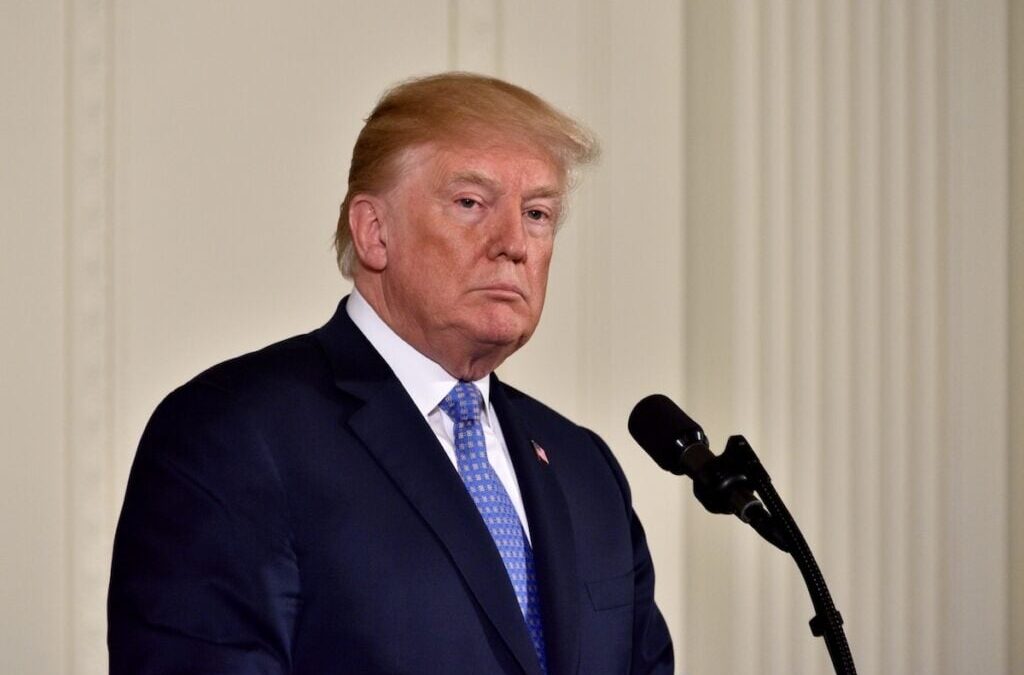
Photo courtesy: Evan El-Amin on Shutterstock.com
Recent Comments