
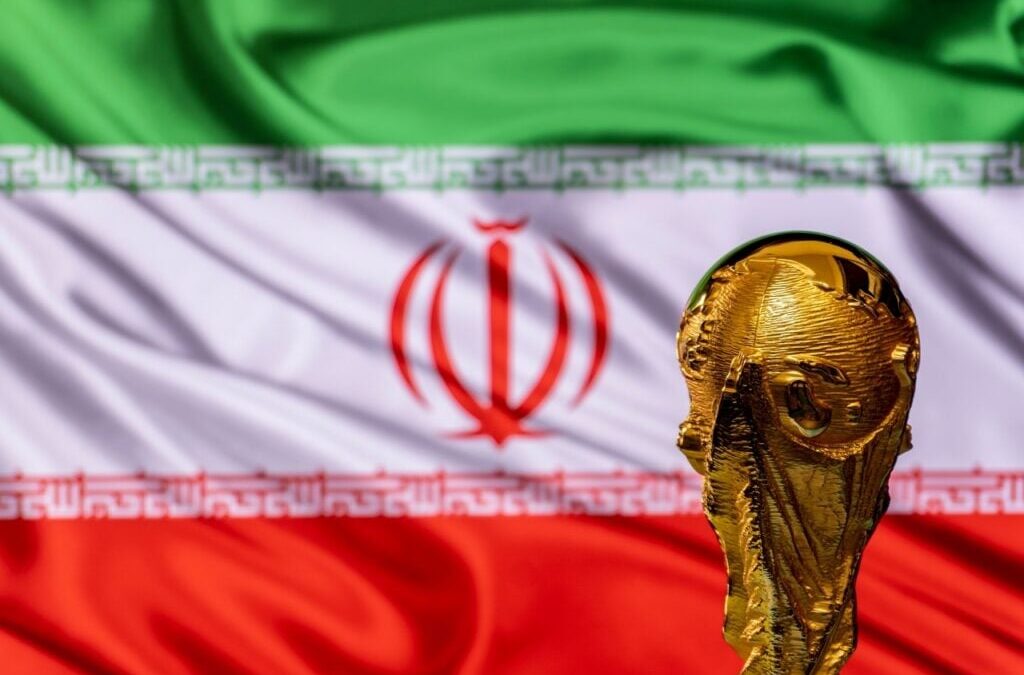
Iran’s national soccer team arrived in Mexico days before the FIFA World Cup began, overcoming months of uncertainty tied to geopolitical tensions and U.S. visa restrictions that affected members of its traveling delegation.
Iran World Cup Team Lands In Mexico
On Sunday, Iran arrived in Tijuana, Mexico, ahead of the World Cup, which the U.S., Canada and Mexico will co-host.
The team had been training in Antalya, Turkey and shared images on Instagram showing players boarding their flight before posting photos from Mexico with the caption, “hi Mexico.”

The development, first reported by The Hill, came after Iran scrapped plans to hold its pre-tournament training camp in Arizona amid uncertainty surrounding U.S. visa approvals.
In May, Mexican President Claudia Sheinbaum had offered to host the team instead, helping secure an alternative base.
The squad is set to compete in Group G, facing New Zealand on June 15 in Inglewood, California, followed by Belgium on June 21 and Egypt on June 26.
Iran Rejects Trump’s Safety Concerns
Earlier, Iran’s football team dismissed President Donald Trump’s warnings about safety risks, saying only FIFA has authority over World Cup participation, not individual countries.
“The World Cup is a historic and international event and its governing body is FIFA — not any individual, country,” the team said, pushing back against Trump’s warning that their presence could pose safety risks.
Trump had said Iranian players were “welcome” but questioned whether their participation was appropriate due to “life and safety” concerns following meetings with FIFA leadership and shifting public remarks.
Iran, ranked 20th globally, is set for its fourth consecutive World Cup appearance under FIFA’s governance.
US-Iran Conflict Escalated
Last week, the U.S. struck Iranian surveillance sites after downing drones near the Strait of Hormuz, further escalating a months-long conflict affecting regional stability and global oil routes.
The U.S. said it intercepted four drones before hitting radar facilities in Iran’s Goruk and Qeshm Island.
Iran’s Revolutionary Guard responded with missile attacks on U.S. bases and targeted tankers in the region, prompting air defense activations across Gulf states.
Both sides reported strikes and interceptions, while tensions continued around the strategic waterway, through which a significant share of global oil flows.
Disclaimer: This content was partially produced with the help of AI tools and was reviewed and published by Benzinga editors.
Image via Shutterstock/ Fauzan Fitria
Recent Comments