
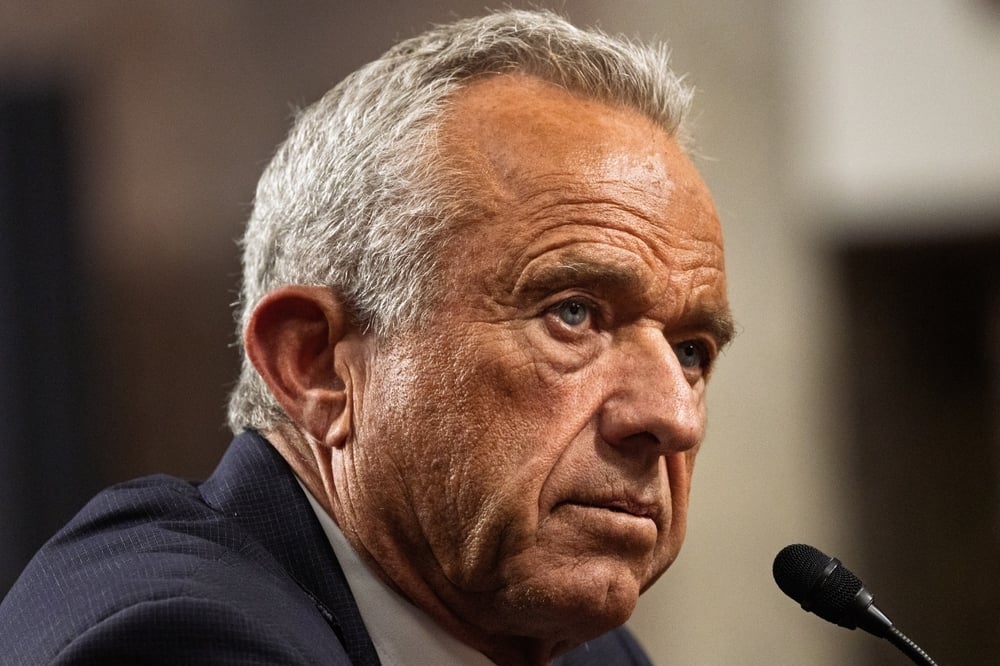
Health and Human Services Secretary Robert F. Kennedy Jr. pushed back on claims that Medicaid is being cut during a Senate hearing on Wednesday, citing projections from the Congressional Budget Office that show overall spending rising significantly over time.
“Only in Washington is that considered a cut,” Kennedy said, arguing that the administration is focused on reducing inefficiencies while increasing support for rural health care.
Kennedy said the Congressional Budget Office projects Medicaid spending will rise from roughly $600 billion to $900 billion by 2036, an increase of about 47%.
During the hearing, Sen. Tim Kaine (D-Va.) warned that hospital shutdowns could intensify as Medicaid changes are implemented, urging the committee to monitor the impact. In the same exchange, Sen. Roger Marshall (R-Kan.) said Medicaid spending is projected to rise by hundreds of billions of dollars over the next several years.
The debate comes as Republicans advance sweeping Medicaid changes under President Donald Trump‘s broader legislative agenda, including proposals that aim to generate hundreds of billions of dollars in savings through stricter eligibility rules and funding changes.
Policy Pressure Builds
The discussion also coincides with a nationwide crackdown on Medicaid fraud led by Mehmet Oz, administrator of the Centers for Medicare & Medicaid Services, who has ordered all 50 states to submit provider revalidation plans within 30 days or face stricter federal audits.
A report from watchdog group Public Citizen found that more than 446 hospitals are at heightened risk of closure following over $900 billion in projected Medicaid funding reductions, underscoring concerns about provider sustainability.
Industry Debate Widens
Separately, billionaire investor Mark Cuban has argued that hospital financial practices are also contributing to the strain.
Cuban said many hospitals spend heavily on consultants and overpay for supplies, worsening their position as Medicaid funding tightens. His comments followed the same report, indicating hundreds of hospitals are at risk, many of which rely heavily on Medicaid reimbursements.
The Medicaid debate also comes as President Trump has proposed a fiscal 2027 budget that would boost defense spending to $1.5 trillion while cutting non-defense programs by 10%, highlighting broader tensions over federal spending priorities.
Disclaimer: This content was produced with the help of AI tools and was reviewed and published by Benzinga editors.
Image via Shutterstock
Recent Comments