
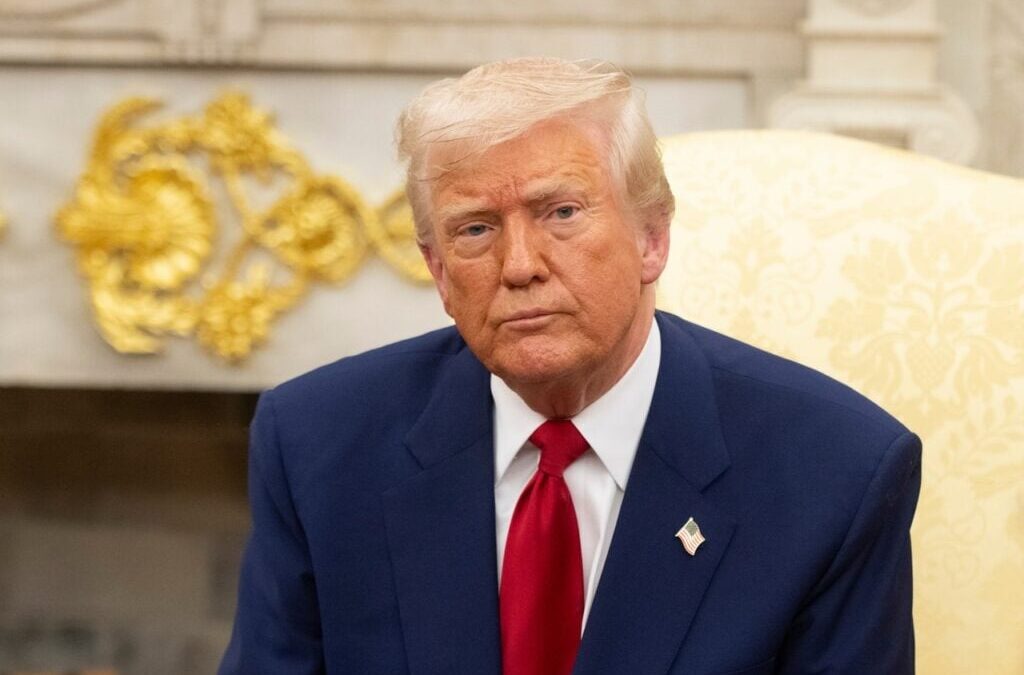
President Donald Trump rejected media reports that a top U.S. general opposes potential military action against Iran, asserting that any conflict would be swiftly won if ordered.
Trump Dismisses Iran War Rift Reports
On Monday, in a post on Truth Social, Trump dismissed what he called “Fake News Media” stories claiming that Gen. Daniel Caine, whom he referred to as “Razin,” is against going to war with Iran.
“The story does not attribute this vast wealth of knowledge to anyone, and is 100% incorrect,” Trump wrote.
He said Caine, “like all of us, would like not to see war but, if a decision is made on going against Iran at a Military level, it is his opinion that it will be something easily won.”
Trump added, “I am the one that makes the decision,” emphasizing that while military leaders provide advice, the president determines whether to take action.
He also referenced an operation he called “Midnight Hammer,” describing it as an attack on Iranian nuclear development carried out by U.S. B-2 bombers.
Trump claimed the facilities were “blown to smithereens,” though he provided no additional details.
The president said he would prefer reaching a deal with Iran but warned that if negotiations fail, “it will be a very bad day for that Country.”

The Washington Post reported that Caine, chairman of the Joint Chiefs of Staff, reportedly warned that a potential U.S. operation against Iran could face risks tied to depleted munitions, limited allied support and possible U.S. casualties, according to people familiar with internal discussions.
His office said he provides civilian leaders with military options and associated risks, noting he offers guidance “confidentially” and outlines “a range of military options, as well as secondary considerations and associated impacts and risks.”
Iran Nuclear Standoff Escalates Amid US War Threats
Earlier, President Trump gave Iran 10 to 15 days to reach a nuclear deal or face consequences, while signaling that limited military strikes were possible.
Iran rejected the idea of “limited” attacks, warning it would retaliate against U.S. bases if struck and asserting its right to self-defense.
Trump said negotiations were ongoing but demanded a meaningful agreement, deploying additional U.S. forces and warning of serious repercussions if talks fail.
He referenced past strikes against Iran’s nuclear program and said refusal to comply would lead to severe outcomes. Oil prices rose amid fears of regional disruptions.
Diplomatic talks showed limited progress, with both sides agreeing to continue discussions but remaining divided on key issues.
Iran told the United Nations it would target U.S. assets if attacked and stressed it had never capitulated under pressure.
Vice President JD Vance said Iran had not accepted U.S. red lines, particularly on preventing nuclear weapons development.
Israeli leaders expressed skepticism about diplomacy, with some aligning with Trump on potential military action.
The escalating tensions increased geopolitical uncertainty and risked widening instability in the region.
Disclaimer: This content was partially produced with the help of AI tools and was reviewed and published by Benzinga editors.
Photo Courtesy: noamgalai on Shutterstock.com
Recent Comments