
On Thursday, Meta Platforms, Inc.’s (NASDAQ:META) top AI executive pushed back against concerns about screen addiction, arguing that the company’s long-term AI vision is centered on empowering users — not trapping them online.
Meta Pushes Back On Screen-Time Concerns
Speaking at the India AI Impact Summit 2026, Alexandr Wang, chief AI officer at Meta, acknowledged public skepticism about Big Tech’s motives.
“I get that some people will worry what companies like Meta really want is to get you hooked and leave you on screens,” Wang said. “But the whole point of personal superintelligence is the opposite.”
He described Meta’s vision of “personal superintelligence” as AI that understands a user’s goals, interests and daily routines — and helps them pursue healthier habits, complete projects and deepen relationships.
What ‘Personal Superintelligence’ Means
Rather than functioning as just another chatbot, Wang said Meta is building AI systems that act as an extension of the user — helping manage tasks, organize events, improve wellness and free up time for meaningful activities offline.
“It’s about helping you be more active in your life and pursuing your goals,” he said.
Meta plans to integrate upcoming AI models deeply across its platforms, which serve billions of users globally, including hundreds of millions in India.
A Competitive Incentive To Get It Right
Wang also addressed doubts about responsible AI development, arguing that Meta’s business incentives align with user trust.
“I know people are going to be skeptical when I say we’re going to do this work responsibly, but you don’t have to take us at our word; take us at our incentives,” he said.
He added that if the company fails to build AI systems that are safe, transparent and useful, “people simply won’t use” its products and platforms.
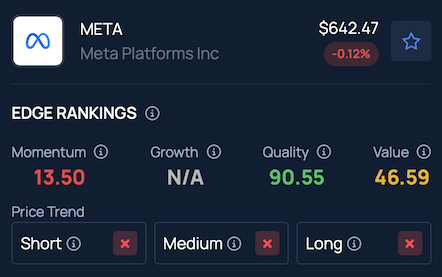
Meta stock ranks high for Quality in Benzinga’s Edge Stock Rankings but shows a negative price trend across the short, medium and long-term periods.

Disclaimer: This content was partially produced with the help of AI tools and was reviewed and published by Benzinga editors.
Photo Courtesy: 24K-Production on Shutterstock.com
Recent Comments