
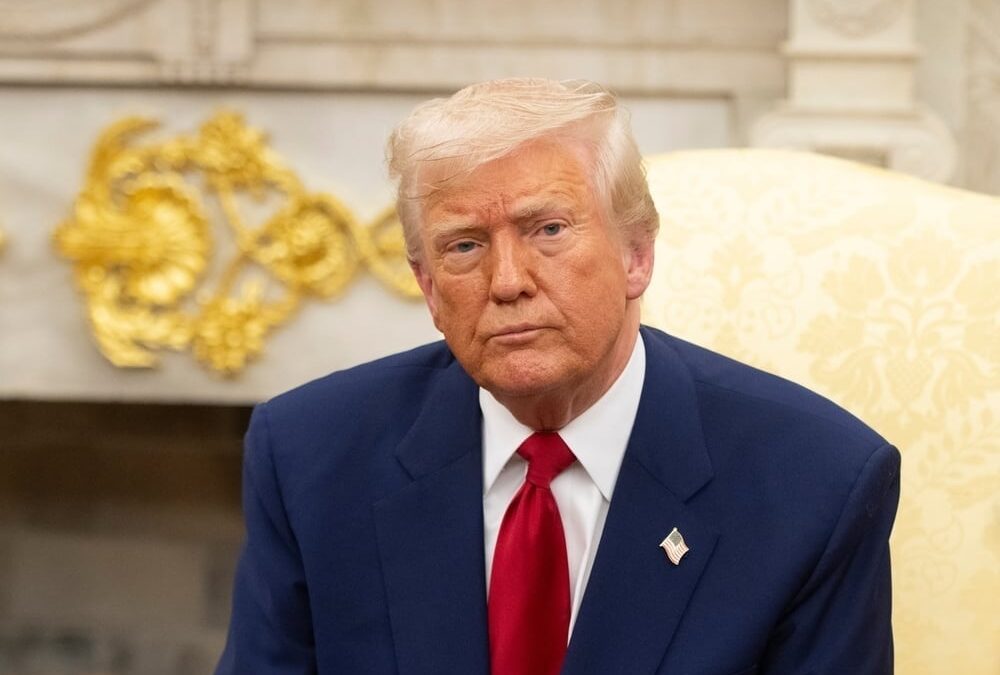
The ambitious housing affordability plans announced by President Donald Trump are encountering substantial obstacles. The initiative, aimed at making home ownership more accessible for Americans, is facing resistance from several quarters.
The White House’s efforts to decrease the costs of home buying have been met with opposition from Congress, the financial sector, and even Trump himself.
Despite the administration’s declaration of “some of the most aggressive housing reform plans in American history” six weeks ago, the implementation of new policies has been challenging, and mortgage rates have seen a recent surge.
President Trump has voiced concerns about reducing housing costs if it adversely affects existing homeowners. He stated at a cabinet meeting last Thursday, “We’re not going to destroy the value of their homes so somebody who didn’t work very hard can buy a home.”
As per the report by Bloomberg, public sentiment reflects disappointment with Trump’s efforts to address cost-of-living concerns.
Trump Warns Cheaper Housing Could Hurt Current Homeowners, Flags Trade-Off
A January CNN-SSRS poll revealed that 64% of respondents believe Trump hasn’t done enough to lower the price of everyday goods.
Trump’s housing affordability plans were expected to be a key part of his messaging ahead of the November midterm elections. However, he has often failed to mention these proposals during appearances and has even criticized some of his administration’s ideas.
One such idea, proposed by National Economic Council Director Kevin Hassett, was to allow workers to use tax-advantaged accounts for down payments. Trump dismissed this plan, stating, “I’m not a huge fan – other people like it.”
Despite these setbacks, the administration is moving forward with a plan for Fannie Mae and Freddie Mac to buy up to $200 billion in mortgage bonds, which could potentially lower mortgage rates.
Why It Matters: The resistance to Trump’s housing affordability plans could have a significant impact on the upcoming November midterm elections. The public sentiment, as reflected in recent polls, indicates a growing dissatisfaction with the administration’s efforts to address cost-of-living concerns.
The success or failure of these plans could potentially influence voter decisions and the overall political landscape.
Recent Comments