
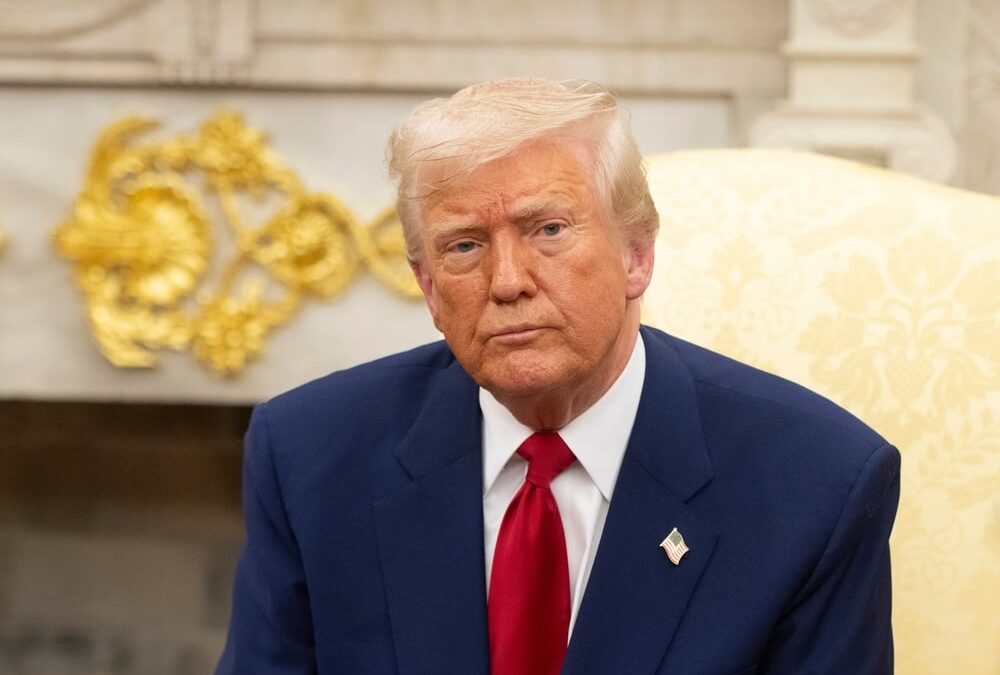
President Donald Trump is optimistic that his nominee for the Federal Reserve Chair, Kevin Warsh, will receive bipartisan support in the Senate.
Trump expressed his confidence in Warsh’s confirmation during a conversation with reporters on Air Force One on Saturday.
He said Warsh, a Stanford University graduate and former Fed insider, is a “high-quality person,” who should have no trouble securing confirmation.
Republican Concerns Over DOJ Investigation
Trump also said Warsh could still be confirmed without backing from Sen. Thom Tillis (R-NC.), who has expressed concerns about an ongoing Justice Department investigation into current Fed Chair Jerome Powell.
“Protecting the independence of the Federal Reserve from political interference or legal intimidation is non-negotiable,” Tillis noted in a Friday post on X.
Trump said he is confident Warsh could be confirmed by attracting support from Democrats, though he did not name which lawmakers might vote in favor.
Nomination, Praise For Warsh
Trump’s nomination of Warsh was announced on Friday. Trump praised Warsh’s experience, independence, and credibility, stating that he has “no doubt that he will go down as one of the Great Fed Chairmen, maybe the best.”
If confirmed, Warsh will take over from Powell when his term ends in May.
Powell’s tenure as one of the seven Fed governors continues through 2028.
Warsh’s confirmation could be a significant turning point for the Fed, as Trump has been vocal about his desire for the central bank to deliver substantial interest rate cuts to stimulate the economy.
But when reporters asked him what he expected Warsh to do regarding interest rates, Trump said, “He’s going to lower them. I mean, if you watch him on television, you know, because I watch interviews and statements. I hope he’s going to lower them, but he’s going to have to do what he wants to do.”
When asked if Warsh had made any commitments, Trump said no, adding that he could have requested them but did not.
Photo courtesy: Shutterstock
Disclaimer: This content was partially produced with the help of AI tools and was reviewed and published by Benzinga editors.
Recent Comments